The short version
Our perspective
Worth considering for a planned, expandable lighting system; harder to justify if you only need one inexpensive connected bulb.
What works
- Warm-to-cool whites and color in the appropriate bulbs
- Bridge-based control can support a growing setup
- Compatible switches help make routines usable without a phone
What to consider
- Starter kits vary by country, bulb, and bridge generation
- Costs grow as you add bulbs and accessories
- Ordinary wall switches can interrupt smart-light availability
- Product family
- White and Color Ambiance
- Connections
- Zigbee; Bluetooth on supported bulbs
- Bridge
- Check the generation included in your kit
- Fitting
- E26, E27 and other versions vary by market
Specifications refer to the model described. Performance figures are manufacturer claims.
Buy a lighting plan, not a box of colors
Smart lighting looks most useful when it solves an ordinary problem. A low evening reading scene, a consistent hallway routine, or a physical button by the bed can improve a room in ways that a color demonstration cannot. Philips Hue offers a system around those ideas, but the system is only valuable when you have a plan for it.
Choose one room first. List its existing fittings, the type of light you want, and the people who need to control it. A living room used by several people has different needs from a single desk lamp. If a phone becomes the only convenient way to turn on the lights, the setup may have traded one small inconvenience for another.

The exact kit matters
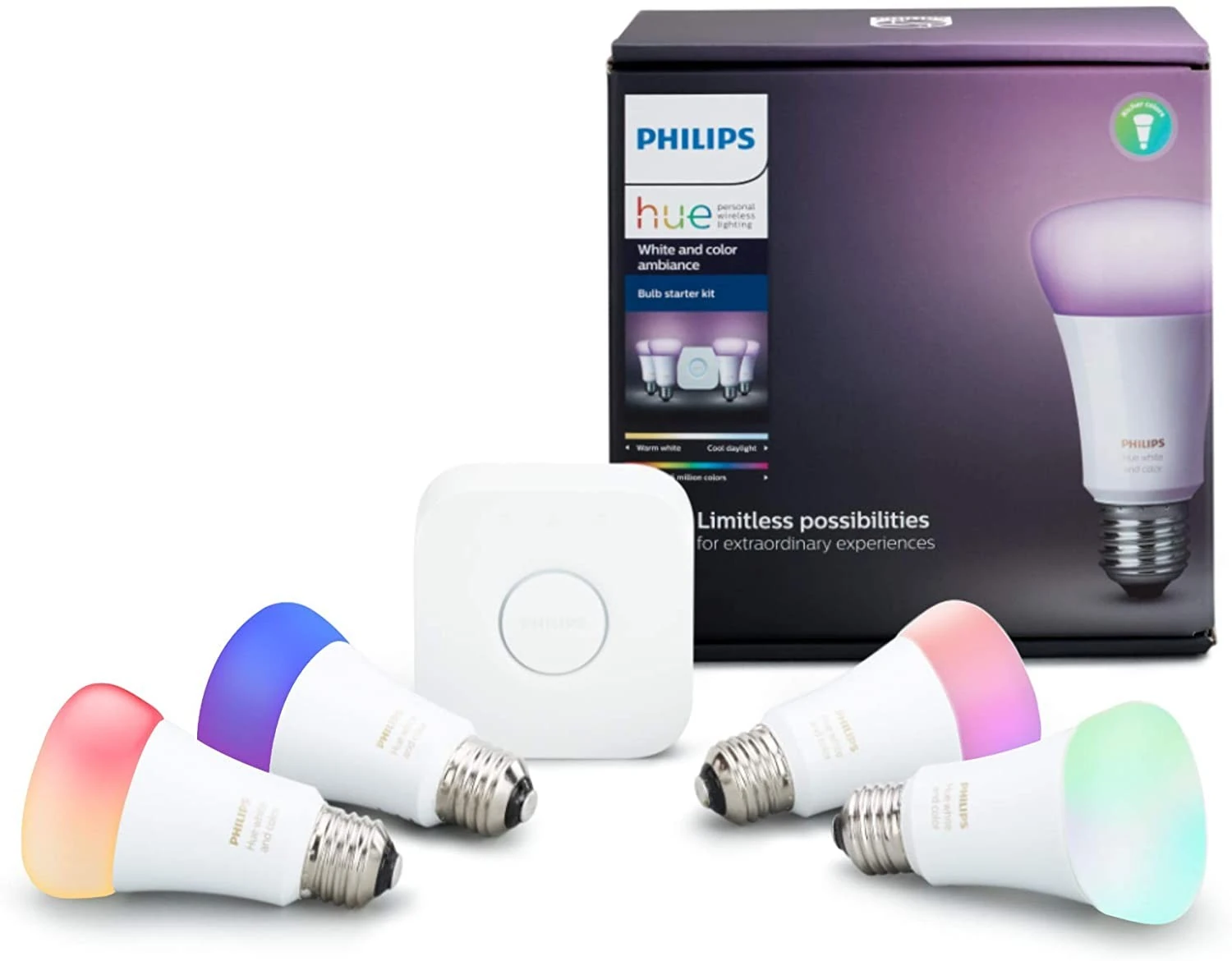
White and Color Ambiance describes a family, not one fixed bundle. Philips sells different bulb counts, socket types, brightness levels, and bridge combinations across regions. This assessment covers the buying approach for that family rather than claiming that every kit contains identical hardware. Read the actual product number and included-components list.
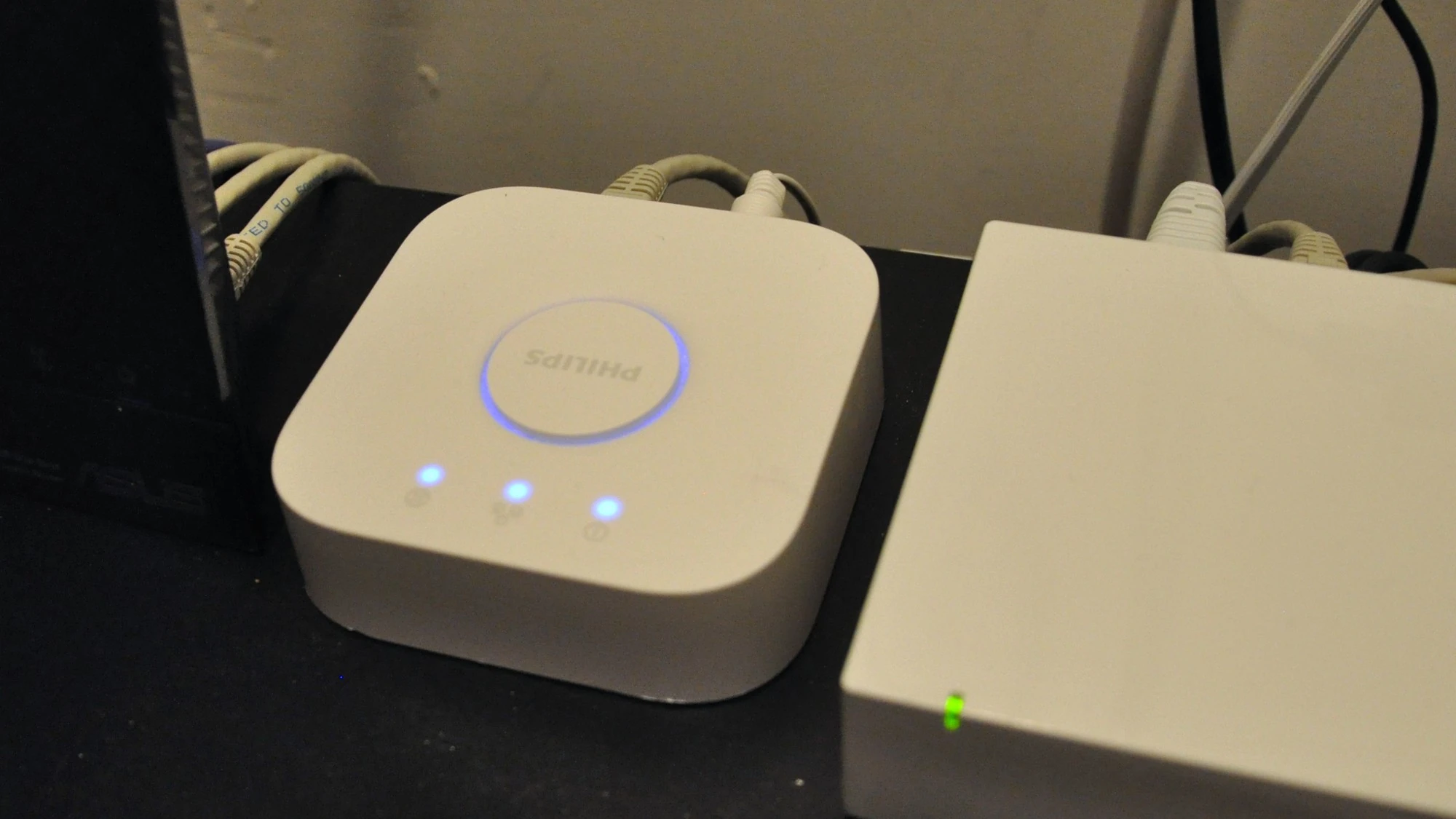
Supported bulbs can use Bluetooth, while a Hue Bridge provides the basis for a more connected setup. Bridge and Bridge Pro are different products. Do not copy a capacity figure from one into a purchase decision for the other. If compatibility with Apple Home, Google Home, Alexa, or Matter is important, verify the current support requirements for the exact combination.
Physical controls are part of the experience
A connected bulb still needs power. When someone turns off its ordinary wall switch, the app may no longer be able to reach it. That basic interaction is easy to overlook and can be the largest source of household frustration. Discuss where familiar switches should remain, and consider an appropriate compatible control where it makes sense.
Avoid improvising electrical modifications to make a connected bulb work with an unsuitable fitting or dimmer. Check the manufacturer’s compatibility guidance and use a qualified professional where wiring changes are required. Smart features are an addition to safe, practical lighting, not a reason to work around it.
Where the extra cost earns its place
The value argument gets stronger when several useful routines share the same system. A household may prefer to pay more for one consistent app and supported accessories rather than manage several unrelated bulbs. The opposite is also reasonable: if you need one simple scheduled light, a smaller system may cover the job at a lower total cost.
Price the complete room, including controls and any bridge you need. Keep enough of the budget for good lamp placement and suitable brightness. Color cannot fix glare, an uncomfortable reading position, or a room that lacks useful task lighting.
Who should buy it?
Consider Hue if you want to build gradually, value physical controls, and are willing to check the details of the ecosystem. Start elsewhere if your priority is the lowest cost for a single lamp or you do not want another bridge connected to your network.
We have not installed or measured a Hue review kit for this article. Our conclusions are based on documented system features and the practical decisions they imply. Photos illustrate the Hue family; they are not a promise about the contents of a particular retail box.
The Blueeagle conclusion
A thoughtful Hue setup starts small and remains understandable. Choose the correct bulbs and bridge, plan everyday controls, and add rooms only after the first one is useful. That approach makes the technology serve the home rather than letting a kit define the plan.
Sources & editorial notes
This original Blueeagle assessment uses the documented features linked below. We have not physically tested this product for this article. Product specifications, compatibility, and prices can change.
Published November 1, 2026. Suggest a correction.
Photography credits
- 1. The Philips Hue White and Color Ambiance A19 starter kit. — Reviewed / Nick Schmiedicker. Reproduced with permission; copyright remains with Reviewed and the credited photographer
- 2. Philips Hue color lighting creates a blue ambiance in a home setting. — Reviewed / Nick Schmiedicker. Reproduced with permission; copyright remains with Reviewed and the credited photographer
- 3. The Hue Bridge connects bulbs to the home network. — Reviewed / Whitson Gordon. Copyright retained; user-supplied site owner reuse permission
- 4. Hue bulbs installed in household light fixtures; bulb styles vary by starter kit. — Reviewed / Whitson Gordon. Copyright retained; user-supplied site owner reuse permission