The short version
Our perspective
A natural small-room companion for an Apple household; a less flexible starting point for mixed-device homes.
What works
- Compact dimensions suit a shelf or bedside table
- AirPlay and stereo pairing within Apple’s ecosystem
- Combines music, Siri, and compatible home control
What to consider
- Not a general-purpose Bluetooth audio speaker
- Needs mains power rather than a travel battery
- Setup and feature support depend on compatible Apple devices
- Height
- 84.3mm
- Width
- 97.9mm
- Audio
- Full-range driver, dual passive radiators
- Power
- External USB-C power adapter
Specifications refer to the model described. Performance figures are manufacturer claims.
The ecosystem is the main feature
The HomePod mini is more convincing when it joins an existing routine than when it is purchased as an isolated gadget. An iPhone on the desk, Apple Music in the household, and compatible home accessories create a clear context. Without that context, another compact speaker may offer a more direct route to the things you actually want to do.
Start by listing three tasks you expect to use every week. They might be listening to a radio station, setting a kitchen timer, or turning on a reading light. Then check those exact services and accessories. The phrase smart speaker covers many products, but it does not guarantee that every speaker supports the same service in the same way.
Small hardware, realistic expectations
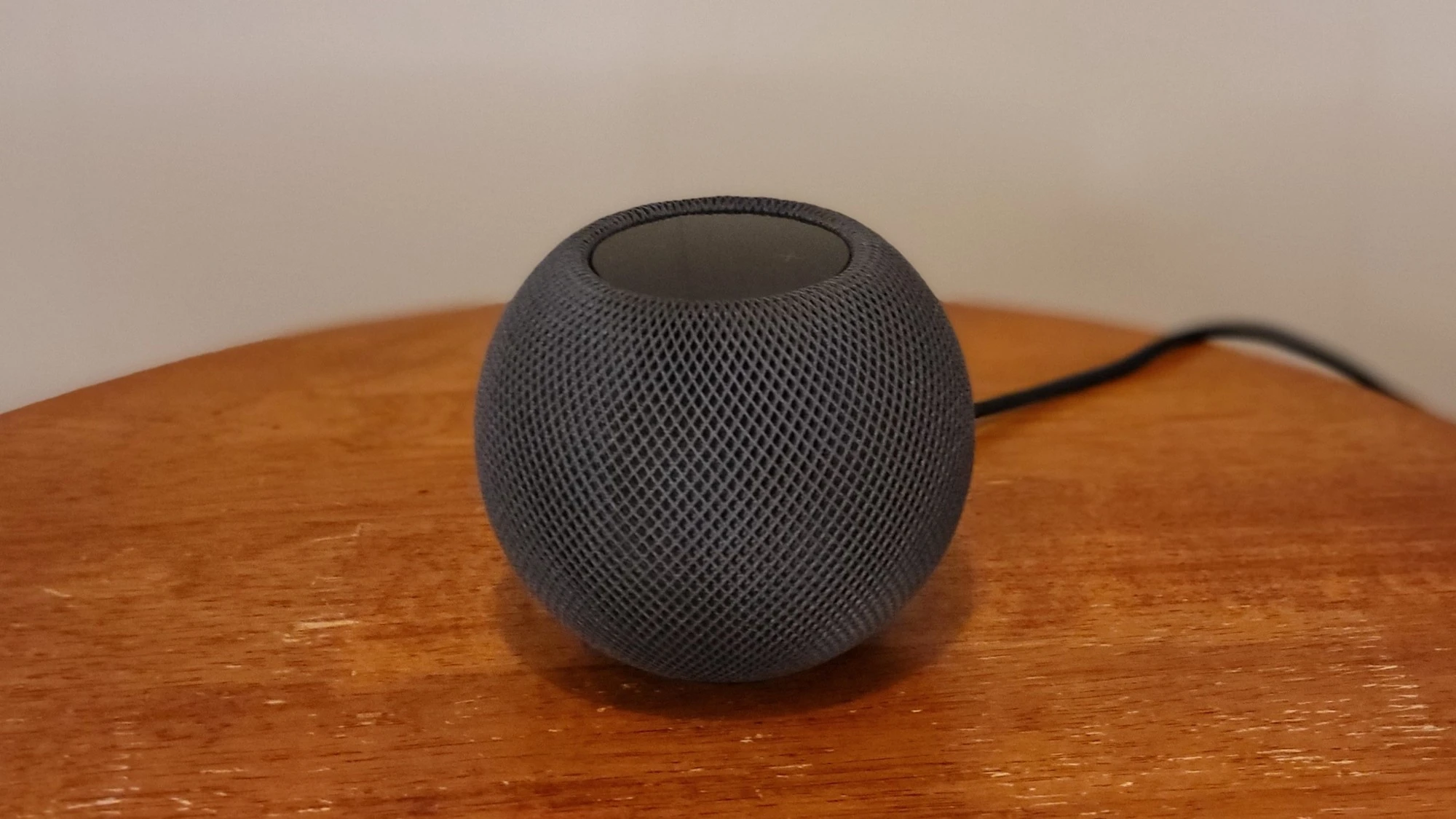
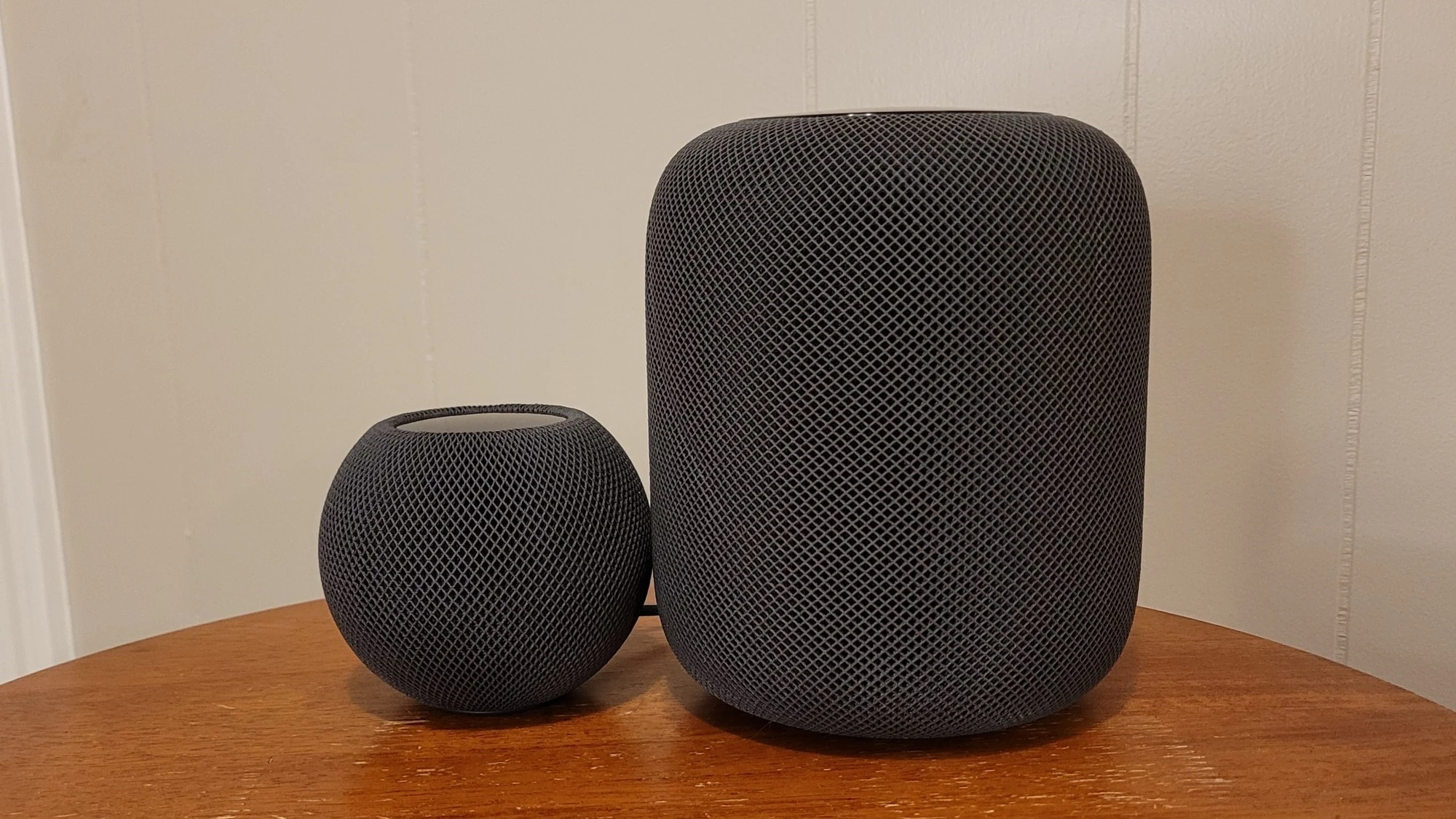
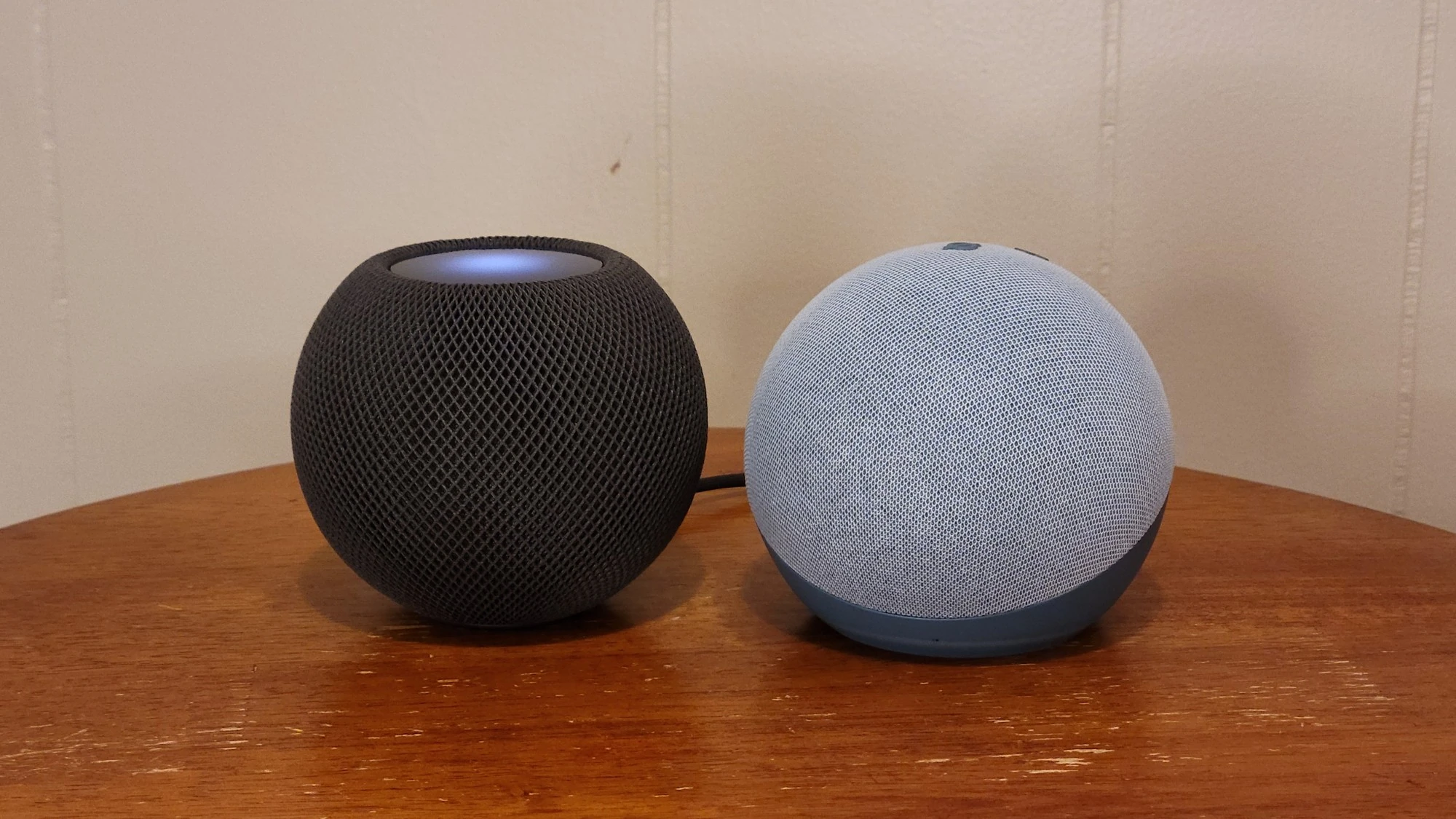
Apple specifies an enclosure 84.3mm high and 97.9mm wide, with a full-range driver and dual passive radiators. The compact dimensions make placement easier, but they also put the product in a different category from a large room-filling stereo system. If your priority is deep bass at high volume, compare larger speakers rather than asking a tiny enclosure to do a different job.
AirPlay offers a useful connection path from compatible Apple devices, and two compatible units can form a stereo pair. That is different from treating the mini as a generic Bluetooth speaker. Check how you will send audio from each of your sources before buying, particularly if your household includes Android phones or a non-Apple computer.
Think about power and placement
This is a mains-powered product. The small size does not make it a battery-powered travel speaker. Put the power outlet, cable route, and listening position into your plan. A tidy product photo can hide the ordinary practical question of where its cable will go.
A bedside placement also raises questions about voice control and privacy. Learn the available microphone and Siri settings, and discuss shared-device expectations with other people in the home. A smart-home convenience is more successful when everyone understands what is enabled.
Home control needs a compatibility check
Do not assume that an accessory works simply because both boxes mention the smart home. Check the accessory’s current Apple Home or Matter requirements, any required bridge, the phone software version, and the manufacturer’s support notes. Network changes and software updates can affect a connected system long after purchase.
The strongest reason to add a HomePod mini is a small set of repeatable, useful actions. Buying one to experiment can be enjoyable, but adding more connected objects does not automatically make a home easier to use. Start with one routine and confirm that manual controls remain practical for guests.
Who should buy it?
Shortlist it for an Apple-centered household that wants compact audio and compatible voice or home control in a small room. It is a weaker choice if you need battery power, universal Bluetooth playback, or a speaker that treats every phone platform equally.
We have not listened to or tested a review unit for this article. Our assessment concerns the documented feature set and the buying trade-offs it creates. Audition it if sound character or room-filling volume will determine your decision.
The Blueeagle conclusion
HomePod mini has a clear audience. For the right household, a small speaker that fits existing devices and habits can be useful without becoming complicated. Make the ecosystem check first; its compact design should be the finishing argument, not the entire case.
Sources & editorial notes
This original Blueeagle assessment uses the documented features linked below. We have not physically tested this product for this article. Product specifications, compatibility, and prices can change.
Published November 1, 2026. Suggest a correction.
Photography credits
- 1. HomePod mini in Space Gray. — Reviewed / Sarah Kovac. Reproduced with permission; copyright remains with Reviewed and the credited photographer
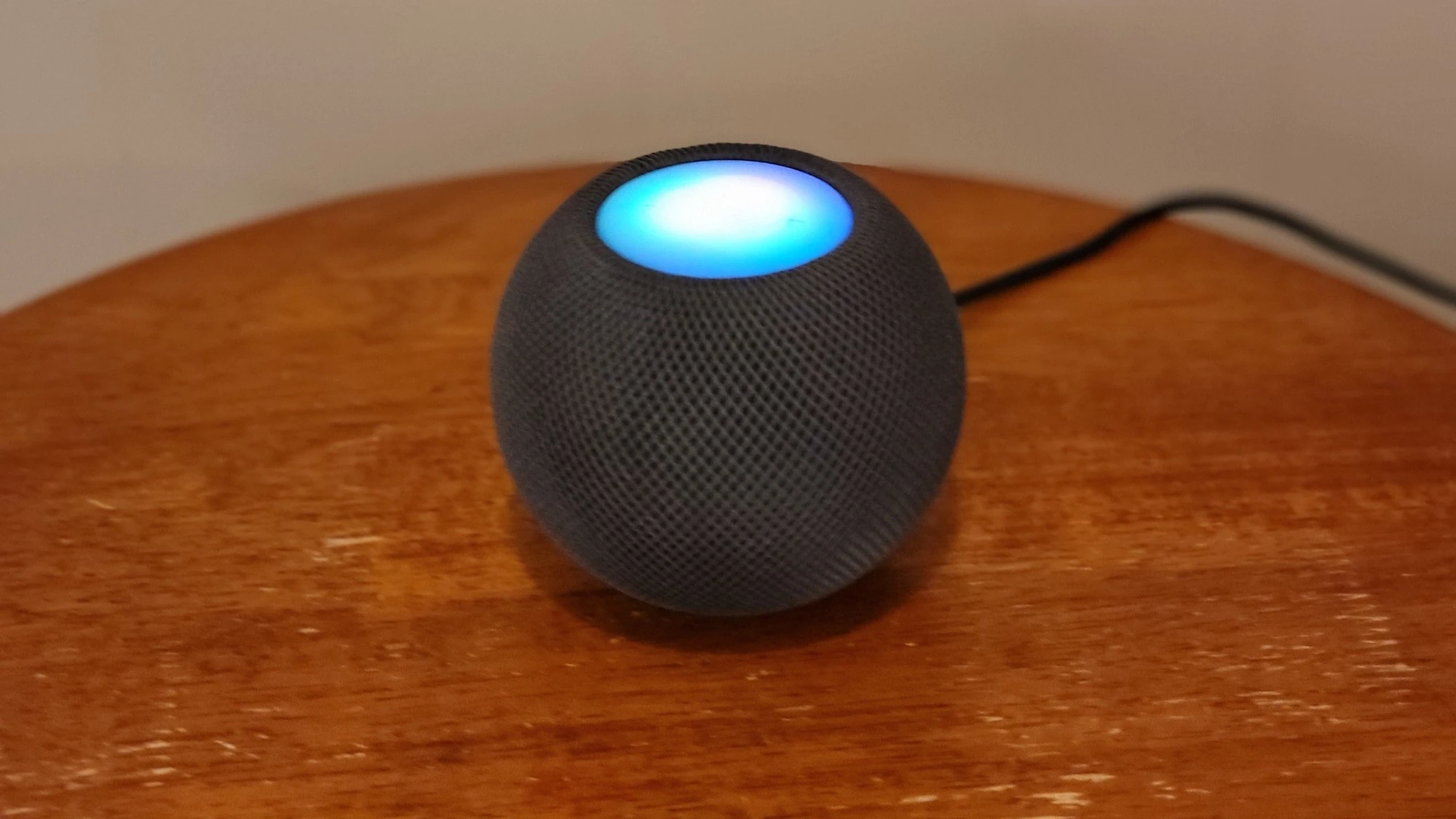
- 2. The illuminated touch surface shows Siri listening. — Reviewed / Sarah Kovac. Reproduced with permission; copyright remains with Reviewed and the credited photographer
- 3. HomePod mini beside the original full-size HomePod. — Reviewed / Sarah Kovac. Reproduced with permission; copyright remains with Reviewed and the credited photographer
- 4. HomePod mini beside an Echo Dot for size comparison. — Reviewed / Sarah Kovac. Reproduced with permission; copyright remains with Reviewed and the credited photographer